Weber Searwood 600 vs Searwood XL: Same Grill, One Question of Size
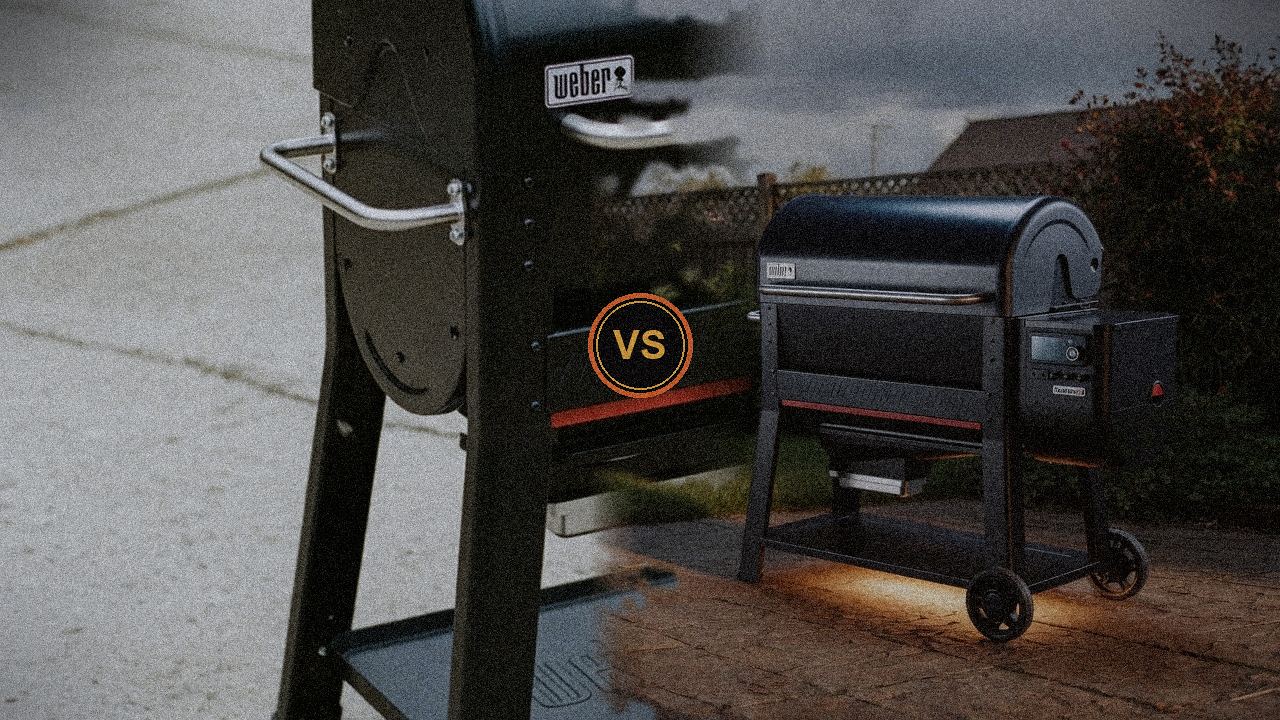
Weber Searwood 600 vs Searwood XL, cooked side by side: identical controller, identical 600°F sear, identical quirks. The $300 gap buys 50 percent more grate. Here is who needs it.
 By Oleg Galeev, cooking on pellet grills since 2020, runs the OleGrill YouTube channel
Short answer
Buy the Searwood XL if you feed a crowd: $1,299 gets you 972 square inches, 50 percent more grate than the 600 for $300 more, and it is our number one pellet grill overall. Buy the Searwood 600 at $999 if you cook for two to four people on a tighter patio. Same controller, same quirks, different size.
Live prices. Affiliate links: we may earn a commission at no extra cost to you. How this works.
I rolled both Searwoods onto the driveway last fall, fed them from the same bag of pellets, and ran them at 225°F until the sun went down. Same hum, same thin blue smoke, temp graphs so close I had to double-check which probe belonged to which grill. That afternoon settled the whole comparison for me. These are not two different grills. They are one grill in two sizes, and the only real question is how much of it you need. It is one of the matchups behind the best wood pellet grills rankings on this site.
Quick naming note before anything else, because Weber did buyers no favors here: the smaller grill is the Searwood 600 and the bigger one is officially the Searwood XL 600. The 600 in both names points at the same 600°F ceiling, not the size. I will call them the 600 and the XL from here on.
Pull temps still follow the USDA safe minimum internal temperatures for poultry, pork, and ground beef, no matter which hopper you bought.
Warranty language is what Weber's support pages actually publishes, not a forum guess.
What actually separates the Searwood 600 from the XL?
Grate space and price, nothing else. The Searwood 600 gives you 648 square inches for $999; the XL gives you 972 square inches for $1,299. Hopper size, max temperature, WiFi, direct-flame searing, and the five year warranty are identical. The $300 difference buys 324 square inches, exactly 50 percent more cooking area.
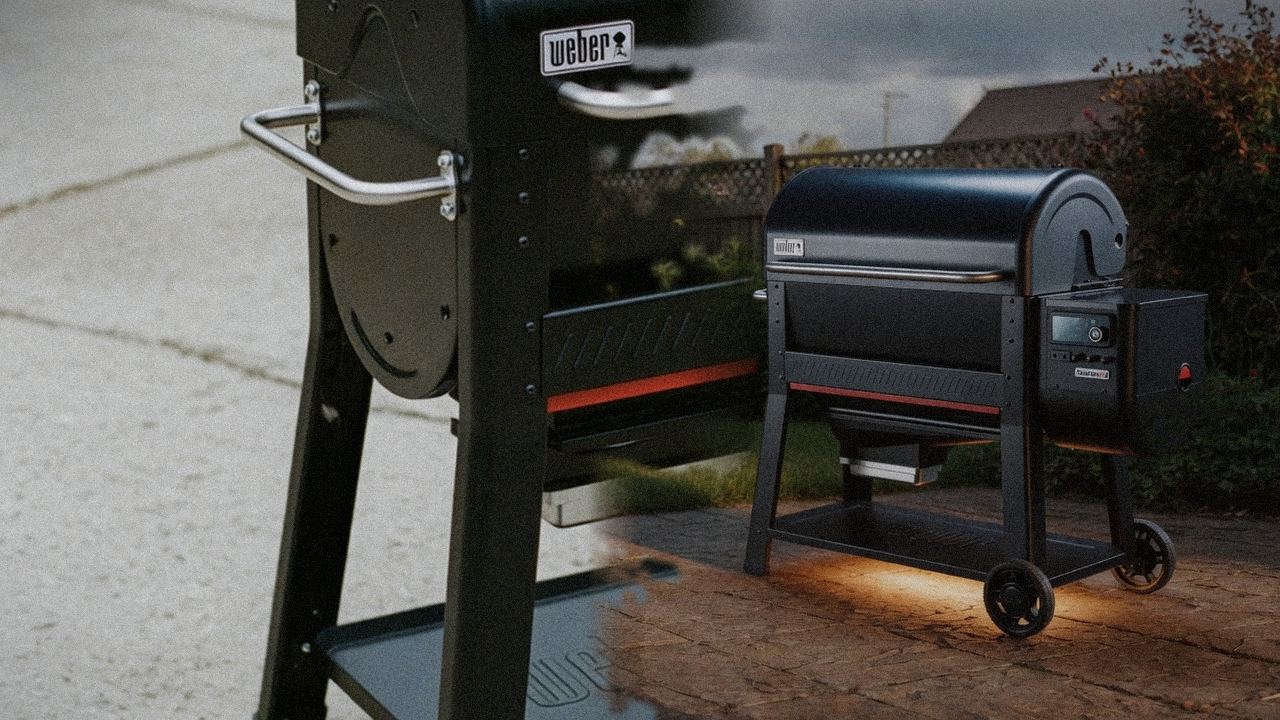
Here is the spec sheet, side by side. Every number below comes from our verified registry, and the pattern is obvious: one column is a copy of the other until you hit size and price.
| Spec | Searwood 600 | Searwood XL |
|---|---|---|
| Price | $999 | $1,299 |
| Cooking area | 648 sq in | 972 sq in |
| Hopper | 20 lb | 20 lb |
| Max temp | 600°F | 600°F |
| WiFi | Yes | Yes |
| Direct sear | Yes | Yes |
| Warranty | 5 years | 5 years |
That shared 20 lb hopper is the one spec worth pausing on. It is generous on the 600 and merely adequate on the XL, because a bigger cook chamber loaded with more cold meat asks more of the same pellet supply. Owners of both models mention topping off during long smokes, so neither is a true load-and-forget overnight rig the way a 40 pound hopper is. If unattended overnight capacity is your whole reason for buying, the recteq side of our recteq vs Traeger comparison is where that conversation lives.
Do they cook any differently?
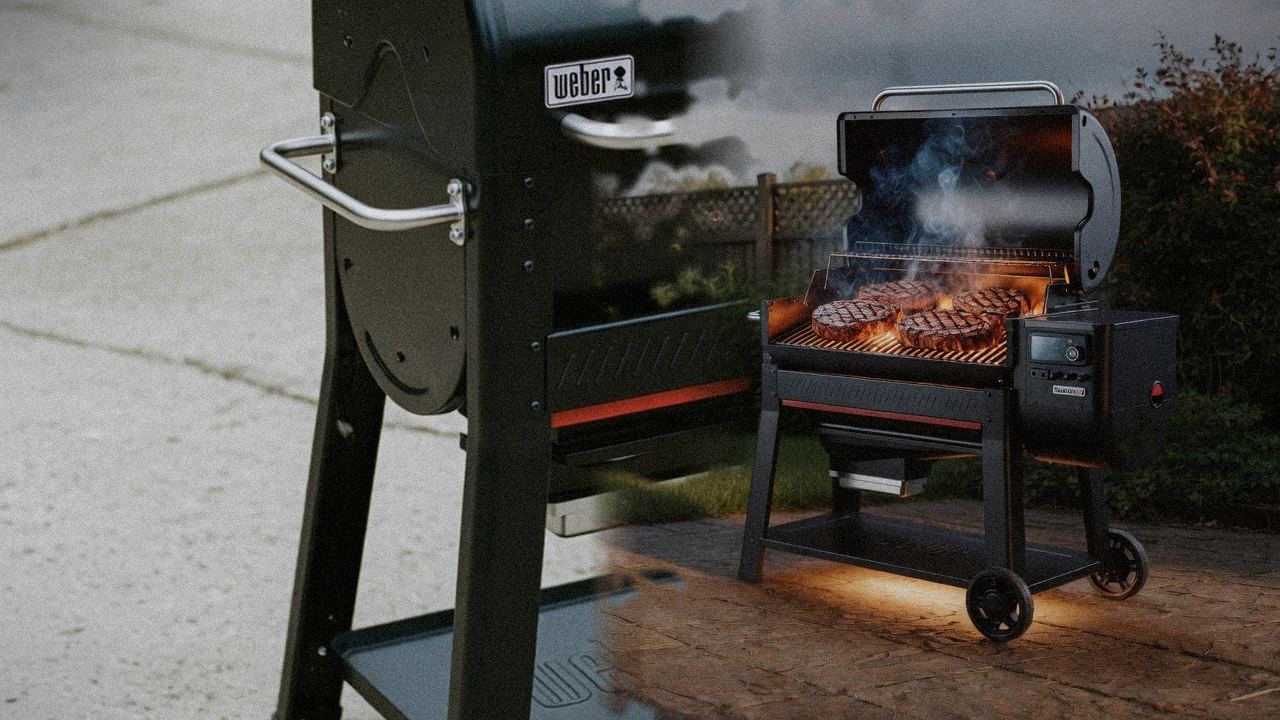
No. In our testing both Searwoods land the same overall score, 7.9, with identical marks for temperature accuracy, stability, smoke, searing, and app control. The controller, fan, and burn pot behave the same in either box. The only scored gap is value, where the 600's lower price edges it to 8.7 against the XL's 8.
I want to be precise about what that sameness means, because it is rare. Most brands change more than sheet metal when they stretch a grill, and the bigger version picks up hot spots or a lazier recovery. Weber did not do that. Both Searwoods ride a pellet grill auger-and-fan system tuned so evenly that my temp logs from the two grills overlay each other. Dinner off the 600 tastes like dinner off the XL.
| Dimension (0-10) | Searwood 600 | Searwood XL |
|---|---|---|
| Temp accuracy | 8 | 8 |
| Temp stability | 8 | 8 |
| Smoke flavor | 7.3 | 7.3 |
| Searing | 8.3 | 8.3 |
| Ease of use | 8.7 | 8.7 |
| Cleaning | 7.3 | 7.3 |
| App | 8.7 | 8.7 |
| Pellet efficiency | 7 | 7 |
| Value | 8.7 | 8.0 |
| Overall | 7.9 | 7.9 |
One clarification on how we rank versus how we score. The XL sits at number one on this site while carrying the same 7.9 as its smaller brother, and that is not a contradiction: the rank is our tested editorial pick across the whole field, the score is the weighted measure. When two grills measure identically, the pick goes to the one whose size serves more of the people asking me what to buy. That contrast between measured sameness and a clear pick is the opposite of what happens in our Ironwood vs Timberline matchup, where Traeger's step up changes the actual hardware.
What do owners complain about on both?
The same two things, because it is the same machine: ash blowback that can dust food during high-heat cooks, and E10 error codes with fussy resets, especially after a power loss. Neither ships with side tables, and both show minor pellet flow hiccups in owner forums, with cold weather flagged on the XL.
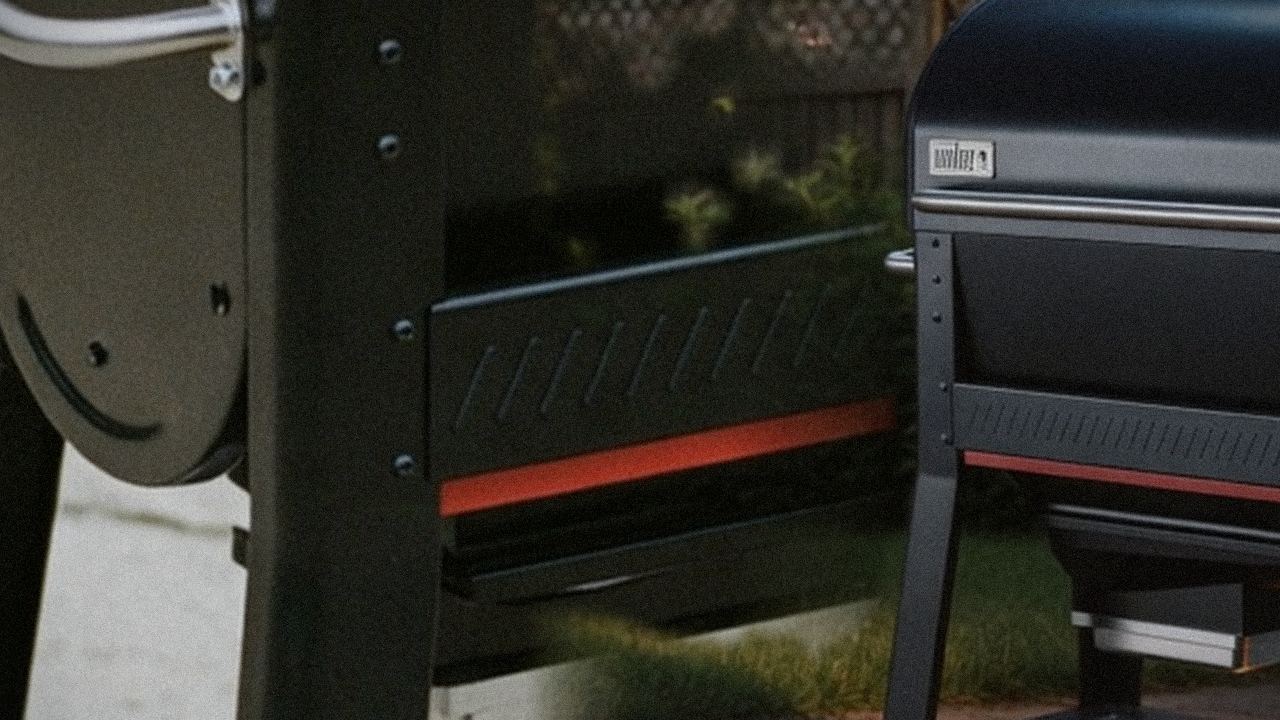
I have had the ash issue happen on my own cooks. Run the direct-sear mode hard and the fan can lift fine ash out of the pot; a fleck on a steak crust is not a disaster, but on a pale chicken skin you will see it. The workaround that has held for me: vacuum the burn pot area before any 500°F-plus session and do the searing in shorter bursts. The E10 codes are the other recurring gripe. Mine appeared once after a storm knocked the power out mid-cook, and clearing it took a full unplug-and-hold reset rather than a button press. Annoying, survivable, and identical on both sizes.
The honest framing: these are quirks of a strong platform, not reasons to walk away. Both grills still post an 8 for build in our testing, and the five year warranty has teeth. But if you buy either Searwood, budget for a table or cart, keep the burn pot clean, and know the reset dance before your first overnight cook.
Is the XL worth $300 more?
By the math, yes. The 600 costs $1.54 per square inch of grate; the XL costs $1.34. The extra $300 buys 324 square inches at roughly 93 cents each, cheaper space than either grill's base rate. If you will ever use that space, the XL is the better-priced grill.
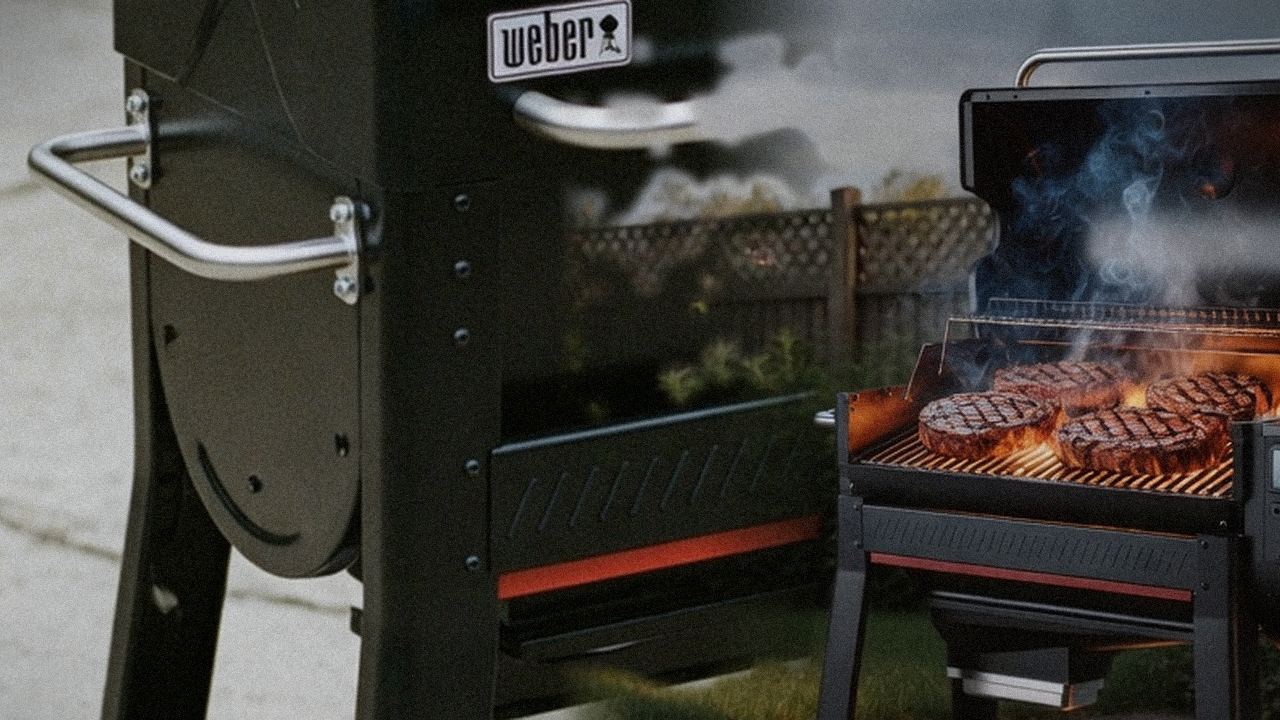
| Value math | Searwood 600 | Searwood XL |
|---|---|---|
| Price | $999 | $1,299 |
| Cooking area | 648 sq in | 972 sq in |
| Cost per sq in | $1.54 | $1.34 |
| Warranty cost per year | $199.80 | $259.80 |
| The upgrade itself | $300 for 324 sq in ($0.93/sq in) |
The catch hides in the first row of that table, not the last. "If you will ever use that space" is doing real work. Empty grate is money spent heating air, and the XL's bigger box asks the same 20 lb hopper and the same pellet supply to do more on every cook. A two-person household running the XL pays the big-grill price and the big-grill pellet bill for cooks the 600 handles without breathing hard.
For most people reading a versus page like this one, though, the XL is the answer. It is the grill I reach for first, it tops our full rankings on the pellet grills page, and when guests are coming it is the difference between one cook and two shifts. If the space argument fits your life, check the current price on the XL, because the gap to the 600 occasionally narrows during sale windows and that changes the math in the XL's favor even further.
Which one should a first-timer buy?
Either, honestly, and that is what makes the Searwood such an easy first pellet grill. The 8.7 ease-of-use score applies to both: same startup routine, same app, same forgiving controller that holds temp while you learn what the meat is telling you. A first-timer will not outgrow the controller on either machine.
What a first-timer can outgrow is the grate. My inbox is full of people who bought a starter-size grill, discovered they love this hobby, and hit the wall the first Thanksgiving they hosted. So my first-timer advice is to ignore skill level and answer a headcount question instead. Cooking for a household of two to four with the occasional guest? The 600 is plenty, and the $300 you keep buys a year of pellets and a good thermometer. Cooking for six-plus, hosting holidays, or already dreaming about brisket? Start with the XL and skip the upgrade cycle entirely. That is the same advice I give in the broader Weber vs Traeger fight, where Weber's case rests on this exact platform.
Who should spend the extra $300?
Anyone who smokes big cuts or feeds groups on purpose. A packer brisket sprawls, and doing two at once, or a brisket plus a rack of ribs plus a tray of wings for the people who will not wait, is a 972 square inch job. On the 600 I have made that work with shelf gymnastics and staggered timing. It cooks fine; it schedules badly.
The XL is also the right call for anyone who entertains even monthly. Burgers for twelve on the 600 means two waves, and the second wave always lands while the first plates are empty. On the XL it is one load, one pull, everyone eats hot. At 93 cents per additional square inch, that convenience is the cheapest capacity Weber sells.
Skip the $300 if your grill lives on an apartment balcony or a narrow side patio, if you cook for two, or if the budget line is genuinely firm at a grand. The 600 is not the consolation prize here. It posts the same scores, sears just as hard at 600°F, and its 8.7 value rating is the best in the family precisely because most nights, most households, 648 square inches is enough.
How do they score on our weighted test method?
Every grill on this site runs the same ten-part method, weighted by what actually changes your food. Here is Weber Searwood 600 against Weber Searwood XL 600, row by row, with the weight each test carries.
| Test | Weight | Weber Searwood 600 | Weber Searwood XL 600 |
|---|---|---|---|
| Temperature accuracy | 15% | 8/10 | 8/10 |
| Temperature stability | 15% | 8/10 | 8/10 |
| Smoke production | 15% | 7.3/10 | 7.3/10 |
| Build quality | 10% | 8/10 | 8/10 |
| Searing ability | 10% | 8.3/10 | 8.3/10 |
| Ease of use | 10% | 8.7/10 | 8.7/10 |
| Cleaning | 10% | 7.3/10 | 7.3/10 |
| App / controller | 5% | 8.7/10 | 8.7/10 |
| Pellet efficiency | 5% | 7/10 | 7/10 |
| Value | 5% | 8.7/10 | 8/10 |
| Weighted total | 100% | 7.9/10 | 7.9/10 |
Our ten-part weighted method, scored from verified research and bench work. Higher wins each row; a weighted total prints only when all ten dimensions are settled. Full protocol on how we test.
Verdict: how much grill do you need?
The XL wins this matchup, and it wins on one axis only: size. It is our number one pellet grill overall because it takes everything the Searwood platform does well, the accurate controller, the real 600°F sear, the livable app, and puts it under 50 percent more grate at a better per-inch price. Families, entertainers, and anyone with two briskets in their future should buy the XL and not look back.
The 600 is the right buy for the two-to-four-person household, the tight patio, and the firm $999 budget. You give up nothing but square inches, and you gain the family's best value score. Both grills will dust the occasional steak with ash at high heat and both may throw an E10 after a power cut; you are choosing a size, not dodging a flaw. Measure your patio, count your usual table, and let that number pick your Searwood.
Is the Weber Searwood XL better than the Searwood 600?
Not in cooking performance; both score 7.9 overall in our testing with identical temperature, smoke, and sear marks. The XL is better only in capacity, with 972 square inches against 648. It wins for families and entertainers, while the 600 is the smarter buy for smaller households.
What is the difference between the Searwood 600 and Searwood XL 600?
Size and price. The Searwood 600 has 648 square inches for $999; the Searwood XL 600 has 972 square inches for $1,299. The 600 in both names refers to the shared 600°F max temperature. Hopper, WiFi, direct sear, and the five year warranty are identical.
Do the Searwood 600 and XL have the same problems?
Largely yes, since they share one platform. Owners of both report ash blowback during high-heat cooks and occasional E10 error codes, especially after power loss. XL owners also note pellet flow hiccups in cold weather. Regular burn pot cleaning and shorter sear bursts keep the ash issue manageable.
Can the Searwood 600 fit a brisket?
Yes. A full packer brisket fits on the 600's 648 square inch grate with room for a side dish. Two packers at once, or a brisket plus ribs and extras for a crowd, is where the 600 runs out of room and the XL's 972 square inches earns its $300.
How long should a Weber Searwood last?
Both models carry a five year warranty, which is Weber standing behind the platform longer than much of the field. Our build score for each is 8 out of 10. Keep the burn pot vacuumed, store pellets dry, and shelter the grill, and the hardware should comfortably outlive the paper.